

 Terry KS
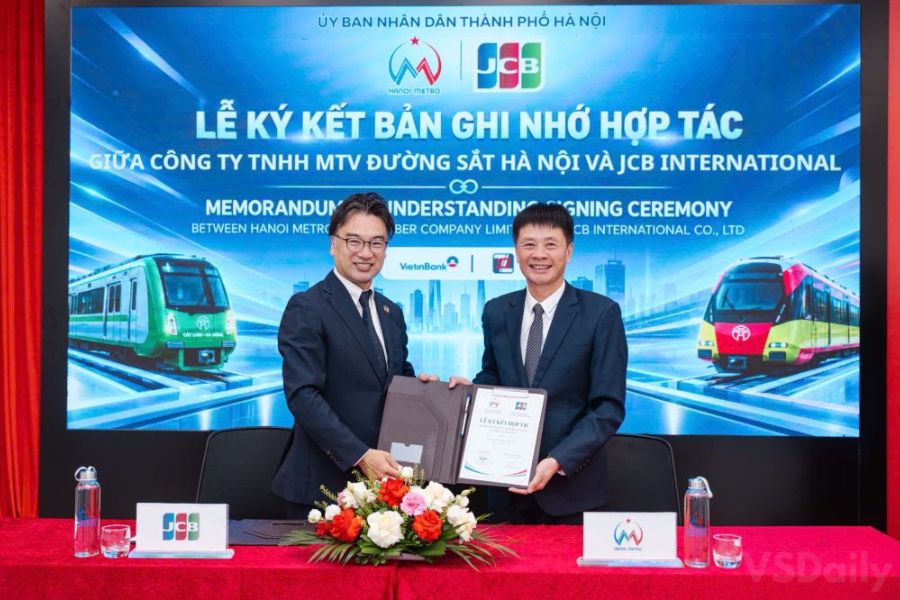
VIETNAM, 29 OCTOBER 2026 – Commuters and regional travelers heading to Vietnam will soon experience seamless urban transit following a strategic collaboration between Japanese international payment brand JCB and Hanoi Metro.
Under a recently inked Memorandum of Understanding between JCB International Co., Ltd. and Hanoi Metro One Member Limited Liability Company, direct JCB contactless payment solutions will be integrated into the fare gates across Hanoi urban railway network.
Scheduled for official rollout in early 2027, the open-loop transit deployment allows cardholders to tap their contactless cards, smart devices, or wearables directly at metro turnstiles. The initiative removes the traditional friction of queuing at ticket counters, purchasing single-use travel tokens, or carrying physical cash for metro commutes.
The initiative represents a notable stride in modernizing public transit across Southeast Asia, mirroring similar cashless and smart mobility developments taking place in metropolitan centers like Kuala Lumpur, Singapore, and Bangkok. For international business travelers and tourists exploring Vietnam from regional hubs such as Japan, South Korea, Taiwan, and ASEAN nations, the service delivers familiar payment interoperability from day one.
JCB International Executive Vice President Takumi Takahashi expressed enthusiasm over the partnership, highlighting that the initiative is designed to deliver direct convenience to cardholders while supporting the broader development of a modern, cashless public transport ecosystem in Vietnam.
Both parties are actively undertaking system integration and technical validation across the rail lines, keeping the project on track for its targeted public debut in early 2027.