

 Rebecca PY
 LRQA convened senior executives and risk leaders in Melbourne to discuss how organisations can strengthen AI and cybersecurity governance using international ISO standards. The roundtable highlighted the shift from compliance-driven frameworks to strategic governance that supports innovation while managing digital risk.
AUSTRALIA, 6 MARCH 2026 – As cyber threats grow more complex and artificial intelligence adoption accelerates across industries, governance of digital risks is increasingly becoming a boardroom priority.
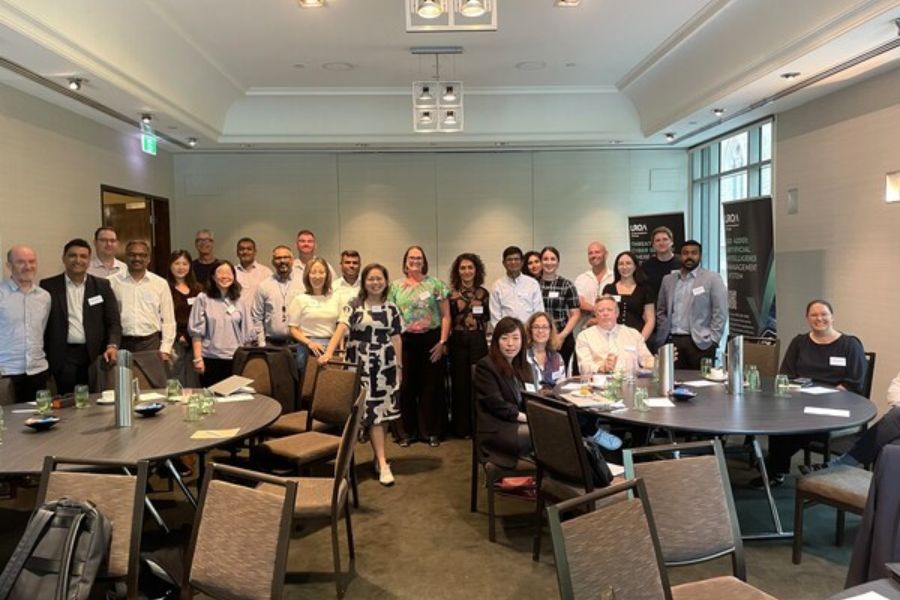
To address this shift, global assurance provider LRQA recently hosted a strategic executive roundtable in Melbourne titled Navigating Cybersecurity and AI Governance: Insights from ISO Standards. The session brought together senior executives and risk leaders to examine how organisations can move beyond compliance-driven implementation toward strategic governance.
The discussion explored how international frameworks such as ISO/IEC 42001 and ISO/IEC 27001 can provide a structured approach for managing digital risks while enabling innovation.
Participants examined several critical themes shaping enterprise governance strategies. These included lifecycle-based risk controls for artificial intelligence, where governance mechanisms are embedded throughout AI design, deployment and monitoring stages. Executives also emphasised the importance of measurable cybersecurity performance metrics that provide leadership teams with actionable insights rather than technical indicators alone.
Another area of focus was supplier governance, with organisations seeking stronger oversight of third-party vendors and supply chain risks as digital ecosystems expand. The roundtable also highlighted the need to align AI and cybersecurity risks with broader enterprise risk management frameworks to ensure consistent oversight at the organisational level.
Emma Carroll, Business Director for Australia and New Zealand at LRQA, said organisations must rethink how digital risks are managed.
She noted that cybersecurity and AI governance can no longer operate in isolated silos. Instead, organisations that lead in digital transformation integrate these governance frameworks directly into core business strategy, using international standards to strengthen accountability, transparency and innovation confidence.
The discussion also addressed recurring readiness gaps observed across organisations in the region. These included unclear accountability for AI-driven decisions and the challenge of maintaining continuous governance improvement after achieving certification milestones.
Participants agreed that governance maturity is rapidly becoming a defining trait of resilient and high-performing enterprises, and a key competitive advantage in an increasingly digital economy.
As digital threats evolve and AI adoption expands, LRQA continues to support organisations through auditing, certification and advisory services covering cybersecurity, AI governance, sustainability and supply chain resilience.